Free Healthy Home Assessment
A free healthy home assessment is available to you. During the assessment, we will look at the Seven Principles of Healthy Homes to identify any health and safety concerns you may have and assist you to develop a safe and healthy living environment. Households that participate in an assessment may be eligible to receive supplies and/or resources.
For further information call your local public health department:
- Meeker County
320-693-5370
[email protected] - McLeod County
320-864-3144
[email protected] - Sibley County
507-237-4000
[email protected]
Seven Principles of Healthy Homes
- Dry – damp houses provide a nurturing environment for mites, roaches, rodents and molds, all of which are associated with asthma.
- Clean – clean homes help reduce pest infestations and exposure to contaminants.
- Pest Free – recent studies show a causal relationship between exposure to mice and cockroaches and asthma episodes in children; yet inappropriate treatment for pest infestations can exacerbate health problems, since pesticide residues in homes pose risks for neurological damage and cancer.
- Safe – the majority of injuries among children occur in the home. Falls are the most frequent cause of residential injuries to children, followed by injuries from objects in the home, burns and poisonings.
- Contaminant Free – chemical exposures include lead, radon, pesticides, volatile organic compounds, and environmental tobacco smoke. Exposures to asbestos particles, radon gas, carbon monoxide, and second-hand tobacco smoke are far higher indoors than outside.
- Ventilated – studies show that increasing the fresh air supply in a home improves respiratory health.
- Maintained – poorly maintained homes are at risk for moisture and pest problems. Deteriorated lead-based paint in older housing is the primary cause of lead poisoning, which affects 240,000 children in the U.S.
What are some common risks?
Radon
What is radon?
Radon is a naturally occurring gas that enters buildings from surrounding soil. It is colorless, odorless, tasteless and radioactive. Radon is known to cause cancer in humans and is the second leading cause of lung cancer.
Minnesota sits on an area with high levels of radon so the Environmental Protection Agency (EPA) and Minnesota Department of Health recommend that every home be tested for radon.
Where can I get more information on radon and radon testing?
To request a short-term test kit, contact your county public health office.
Meeker County Public Health
320-693-5380
McLeod County Public Health
320-864-3185
Sibley County Public Health
507-237-4035
What can I do if my home has high levels of radon?
If your results are high, there are effective steps you can take to lower radon levels in your home. A certified Mitigation Contractor can install a specialized radon mitigation system to vent the gas safely outside.
If you are planning to build a new home, it’s important to note that Minnesota law requires radon-resistant construction for all new residential buildings. These built-in features are designed to prevent high levels of radon from entering the home from the ground up, providing protection from day one.
To learn more about radon and radon testing, visit the following website for more information:
Well Water Testing
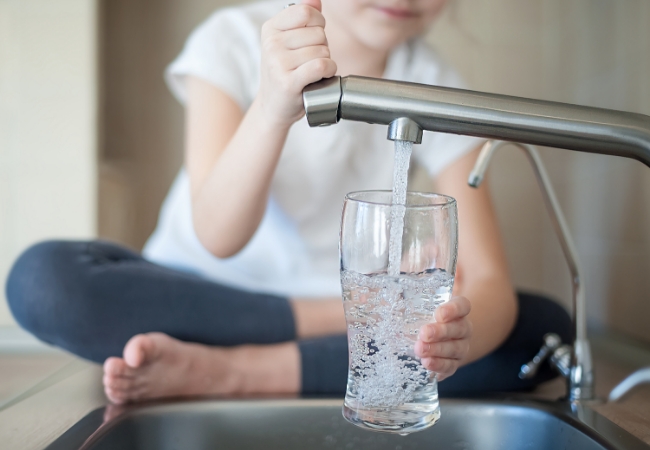
Over a million Minnesotans rely on a private well to supply their water.
When a well is properly located, constructed, and maintained it can provide a reliable safe source for drinking, food preparation, irrigation, or for any purpose be it for domestic, agricultural, or commercial uses.
Why Test?
Private water supplies are not tested or regulated by the public health department, so it’s your responsibility to make sure your family’s water is safe. You can’t always see, taste, or smell contaminants that may be a health risk. The only way to be sure that your drinking water is safe to have it tested at a laboratory.
Where To Get A Test
Carefully follow instructions as you take the water sample and mail it or deliver it to the lab. Water must be analyzed within 24 hours after it is collected to provide reliable results.
In McLeod County, test kits can be picked up at:
- McLeod County Public Health
- McLeod County Environmental Services
- McLeod County Extension Office
Meeker County test kits can be picked up at:
- Meeker County Public Health Office
Sibley County test kits can be picked up at:
- Sibley County Health and Human Services office.
For more information and resources, check out Minnesota Department of Health’s website:
Lead
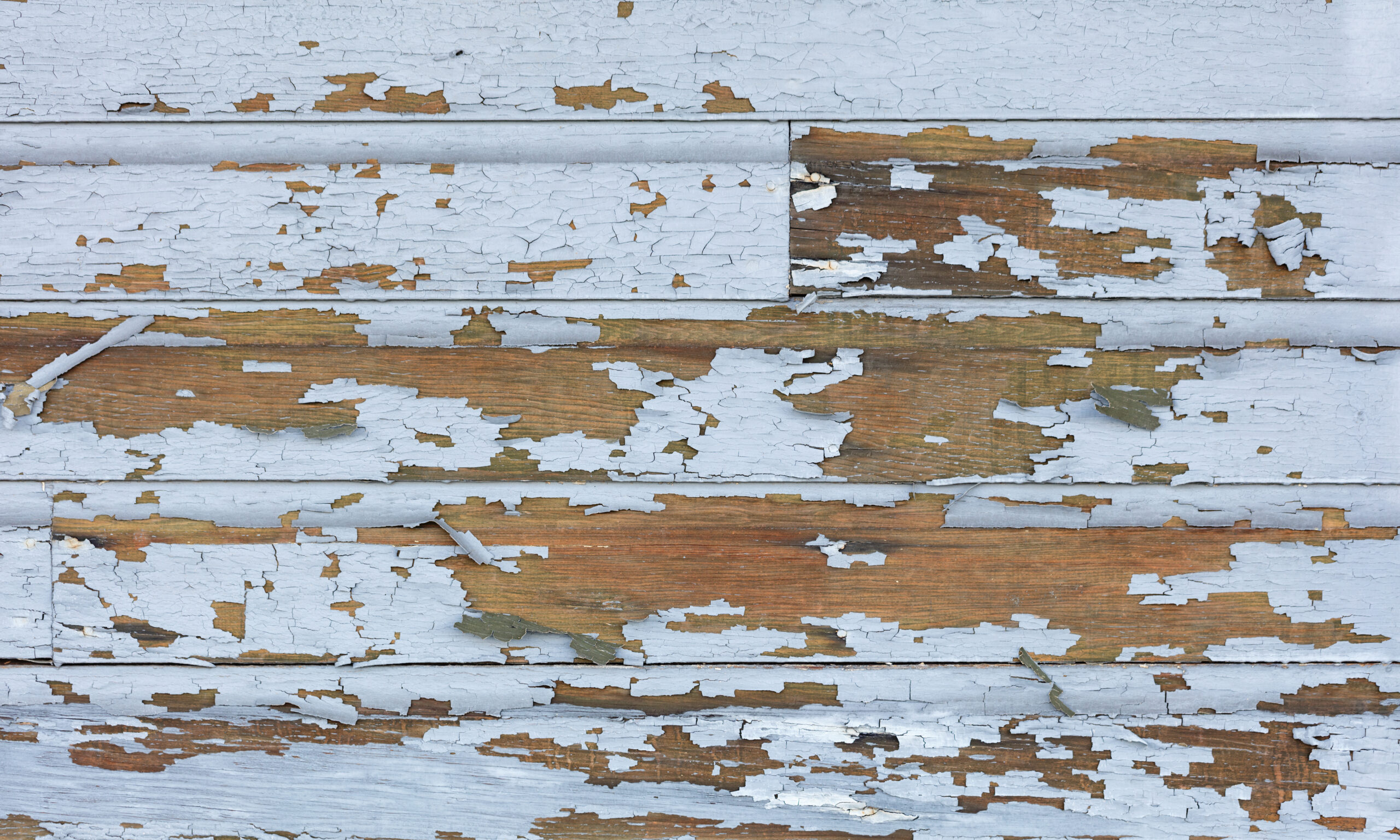
What is Lead Poisoning?
Lead builds up in the body over time, often from lead-based paint, dust, and contaminated water. It is particularly harmful to children under 6 years, affecting brain and physical development.
Why is it Dangerous?
Lead poisoning can have severe effects such as: learning disabilities, slowed
growth, and organ damage. At high levels, it can be fatal.
How to Protect Your Family?
- Test your home for lead-based paint if it was built before 1978.
- Use water filters and clean regularly to reduce dust exposure.
Mold
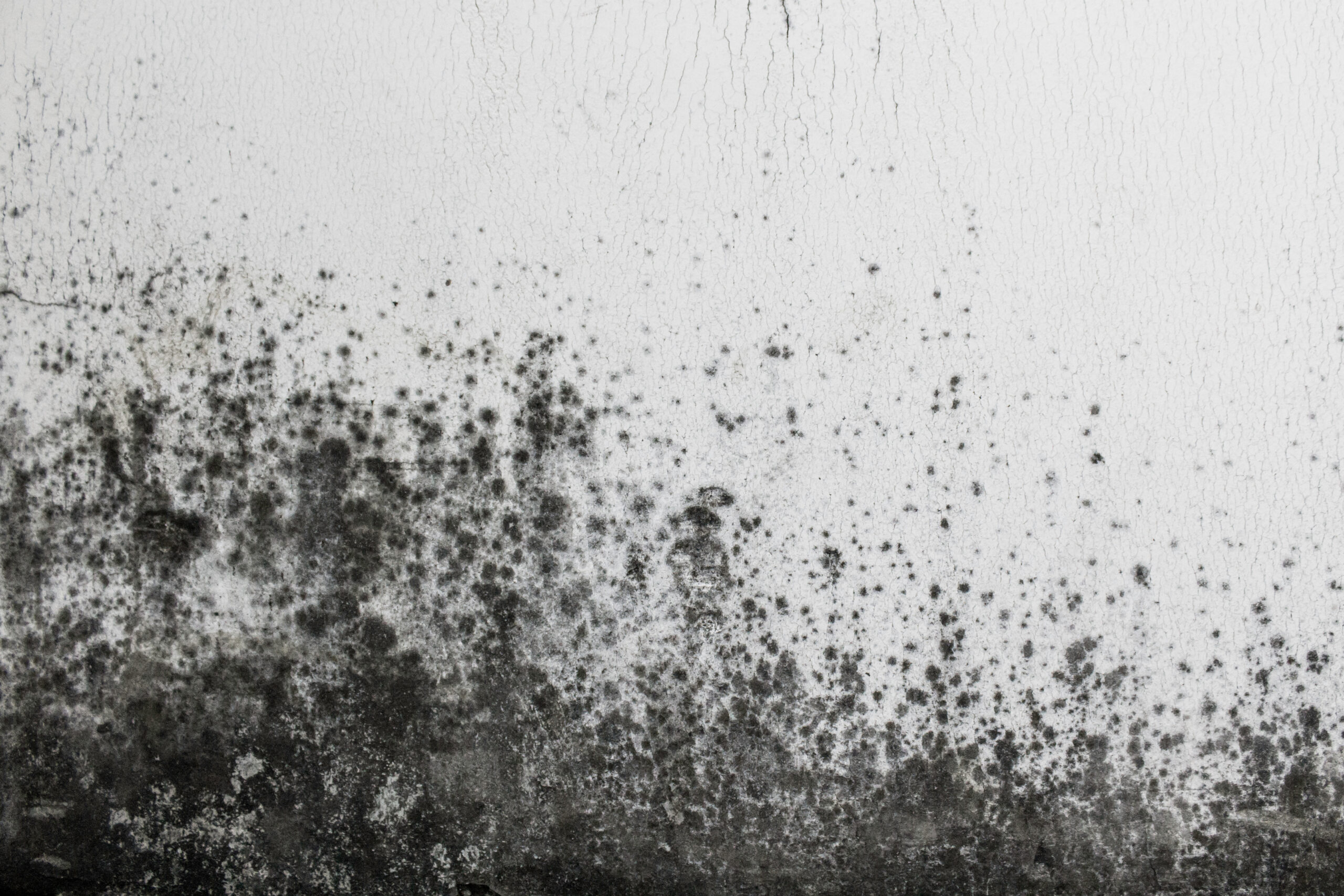
What is Mold?
A type of fungus that grows indoor and outdoors. It needs moderate temperature, nutrients, and moisture to thrive.
Why is it a Problem?
Mold has several health risks such as: allergies, asthma, and respiratory issues. It can also damage your home by deteriorating building materials like drywall and wood.
How to Prevent Mold?
- Keep your home dry by addressing leaks and humidity.
- Clean and repair areas prone to water damage.
To learn more about mold and mold testing, visit the following website for more information:
Home Safety
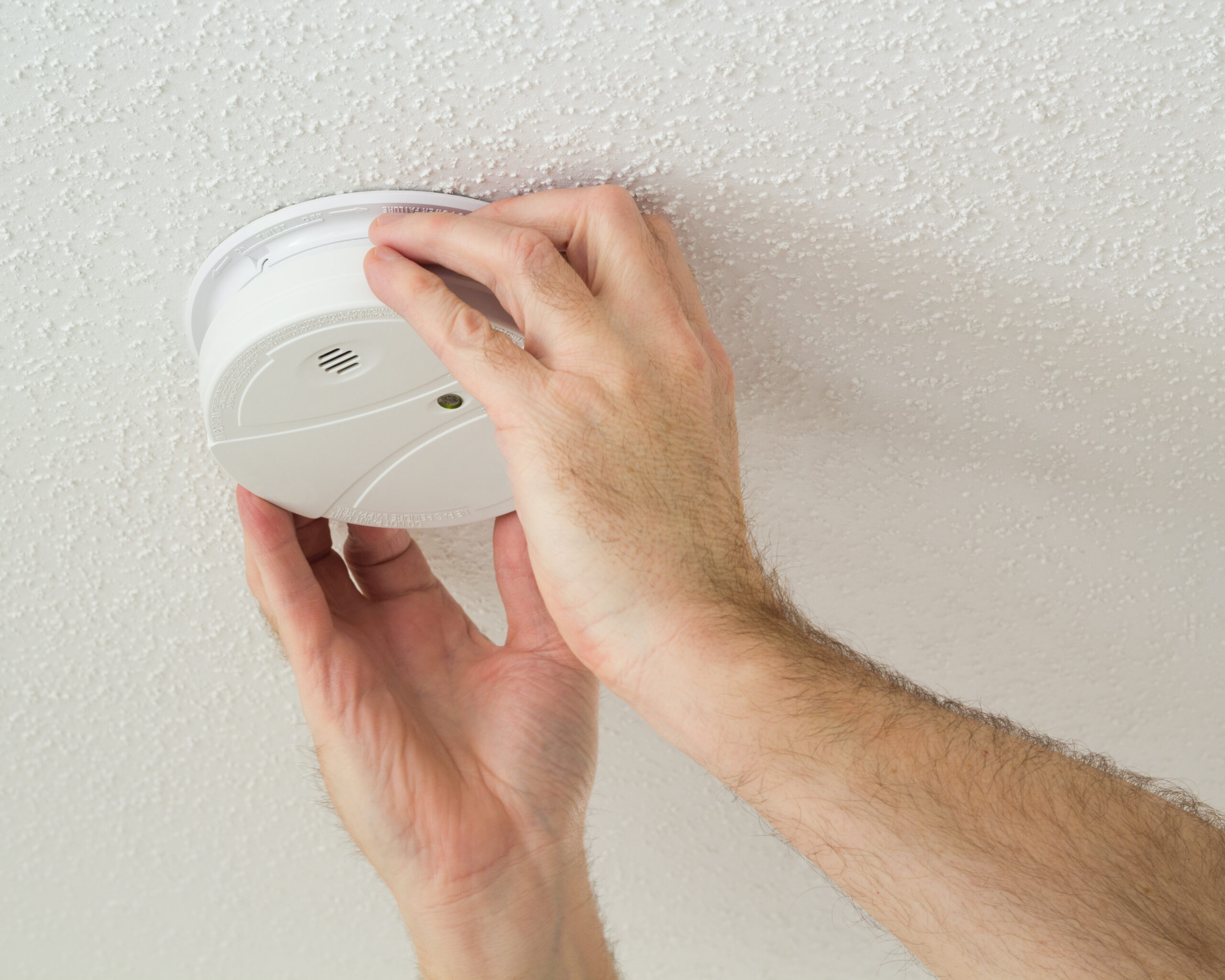
What is Home Safety?
Identifying and mitigating dangers that may lead to injuries or death in and around the home.
Why is it Dangerous?
Poisoning and falls are the most common causes of home related deaths. 16 out 100 people were injured from a preventable risk in the home in 2023.
How to Protect Your Family?
- Install and maintain smoke and carbon monoxide detectors on every level of your home.
- Keep walkways in the home well lit, secure loose rugs/carpet and minimize clutter.
- Store hazardous materials such as cleaning products, medications and sharp objects appropriately and out of reach of children.